


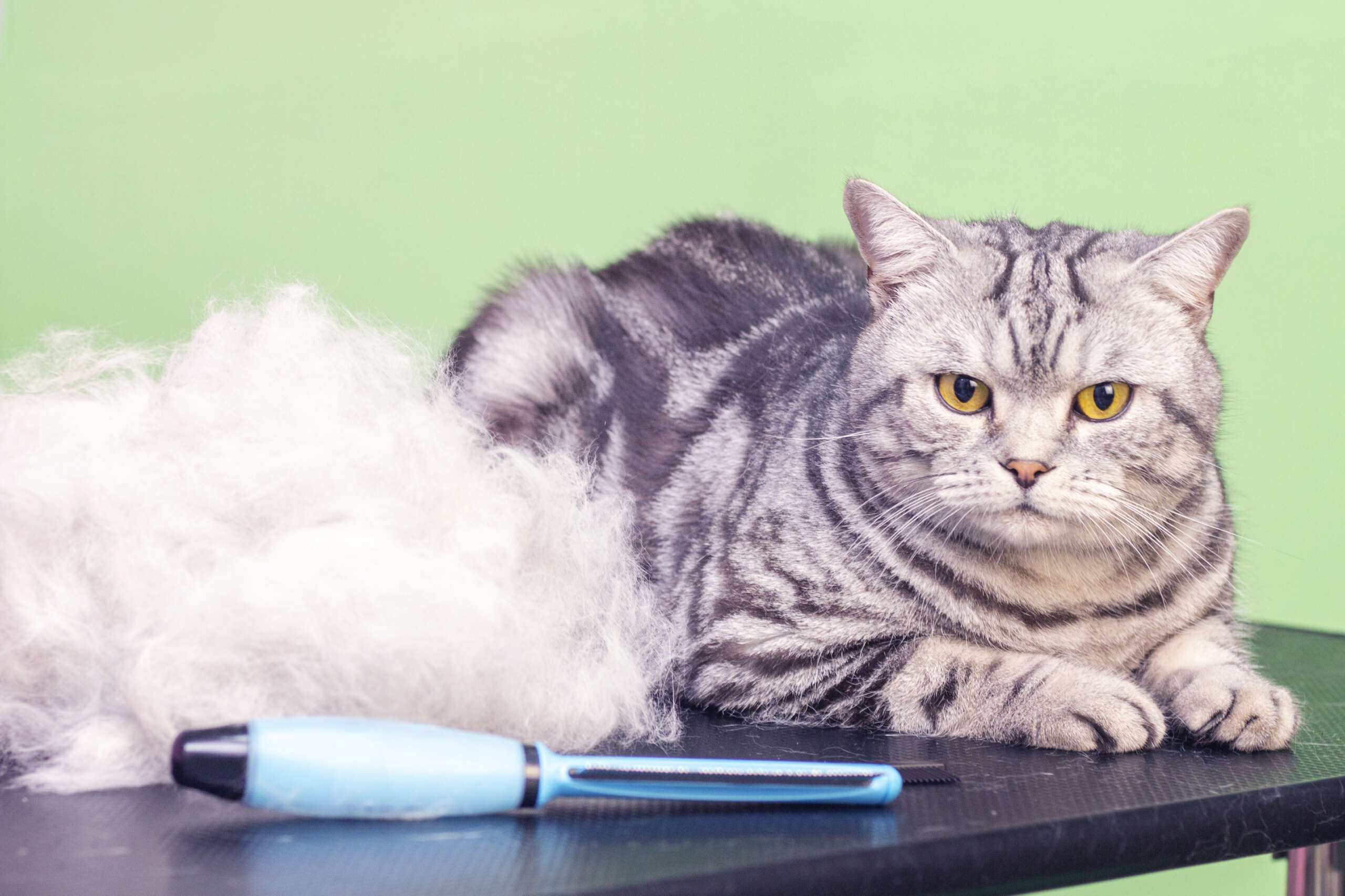
Share This Article
Ever wondered why your cat’s coat shines in the sun or why they have fewer hairballs? The answer might be simpler than you think. It could be in the art of home cat grooming tips. These tips can change not just how they look but also their health. Let’s dive into DIY cat grooming and learn the basics to keep your cat’s coat healthy.
Grooming your cat at home is key to their health. It keeps their coat, skin, and teeth in great shape. It’s vital for all cats, especially older ones who may groom less. A routine includes brushing, nail trimming, and ear cleaning. These activities prevent hairballs and boost their health, strengthening your bond with your cat.
Knowing what your cat needs is important. Long-haired cats need brushing every few days, while short-haired ones can wait a week. The right water temperature for bathing is lukewarm to avoid discomfort. Using diluted cat shampoo helps prevent skin issues. With a good cat grooming guide, you can keep your pet healthy and happy at home.
Having the right tools, like special brushes and clippers, makes grooming easier. These tools help turn grooming into a positive experience. Let’s look at the steps and products you need for a successful DIY cat grooming routine. This will ensure your cat has a shiny coat and is happy.
Join us as we explore cat grooming at home. It’s a practical way to keep your cat healthy and strengthen your bond with them.
Understanding the Basics of Cat Coat Care
Grooming is key to a cat’s health and beauty. How to groom a cat starts with knowing their coat type. Cats have different coats, from short to long hair, each needing special care.
Short-haired cats need brushing once a week to keep their fur shiny and healthy. Long-haired cats should be brushed 2-3 times a week to avoid mats and tangles.
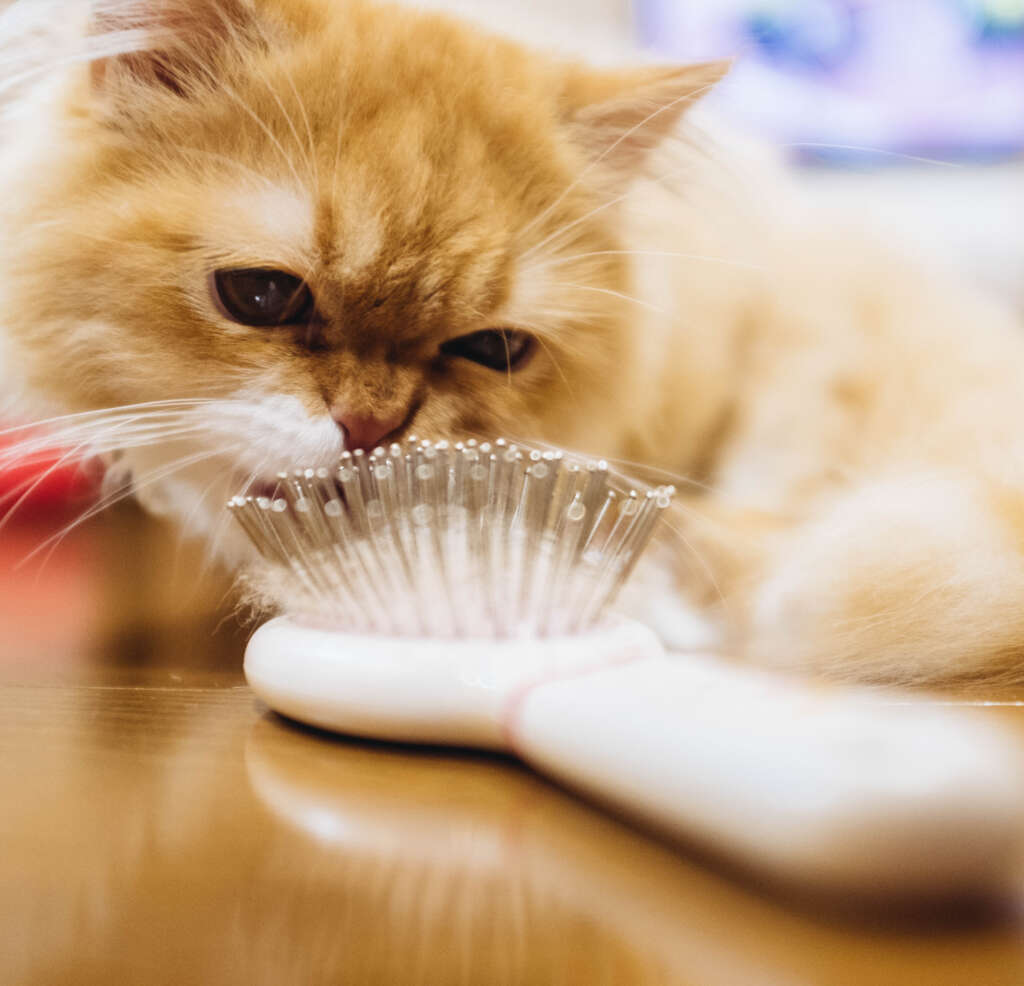
Affordable cat grooming means using the right tools. Tools like bristle brushes and de-matting tools help with grooming. Choose tools based on your cat’s coat type, with help from a vet or groomer.
Grooming is a great way to bond with your cat. Start when they’re calm and use treats or toys to make it fun. A positive experience makes future grooming easier.
Grooming also checks your cat’s skin and coat health. Regular grooming helps spot any health issues early. So, how to groom a cat is about looks and health.
Step-by-Step Guide to Trimming Cat Nails Without Stress
Trimming your cat’s nails is key to grooming your cat. It’s important to know how to do it right to keep it stress-free for you and your cat. Learning this can give grooming a chance to bond with your cat.
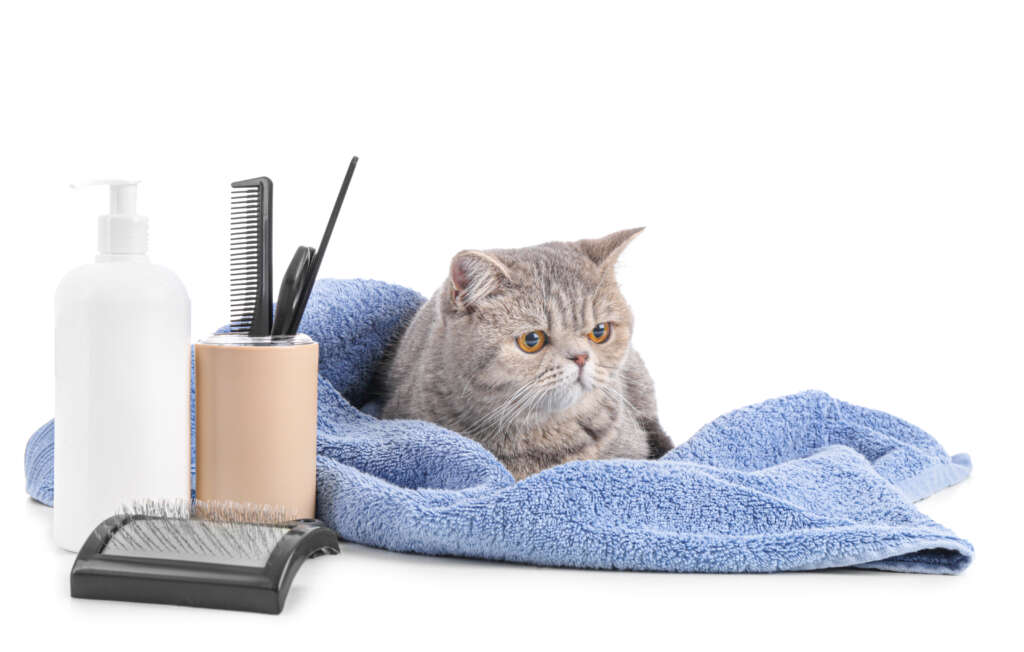
First, pick the right tool. Cat nail clippers prevent splintering and injury. You can choose from scissors-style, guillotine-style, and pliers-style clippers, or nail grinders for a smooth finish. Each type suits different people and cats.
Get your cat used to having its paws handled. This might take a few weeks. Start by just touching the paws without cutting. Then, practice on a piece of dry spaghetti to get your cat used to the sound and feel of the clippers.
When you’re ready, make sure your cat is calm, maybe after eating or in a quiet time. Hold the paw firmly but gently, extend the nail, and check it. Don’t cut the quick, which is the pink part full of blood vessels. Cutting it can hurt your cat.
If you accidentally cut the quick, use styptic powder or cornstarch to stop the bleeding and help your cat feel better. Give your cat a treat after each nail trim to make the experience positive. This helps your cat relax and makes future trims easier.
Trimming your cat’s nails regularly is good for them and your home. It helps prevent damage to furniture, reduces injury risk, and keeps your cat healthy. Indoor cats need more frequent trims than outdoor cats, who naturally wear down their nails and use them for defense.
In conclusion, learning how to groom a cat through regular nail trims is good for your cat’s comfort and health. It also strengthens your bond with your cat.
Grooming Your Cat at Home: A Bonding Experience
Using home cat grooming tips can turn regular pet care into a special bonding time. It strengthens the bond between you and your cat. Start by making the grooming area calm and safe. This way, your cat will see grooming as a positive thing.
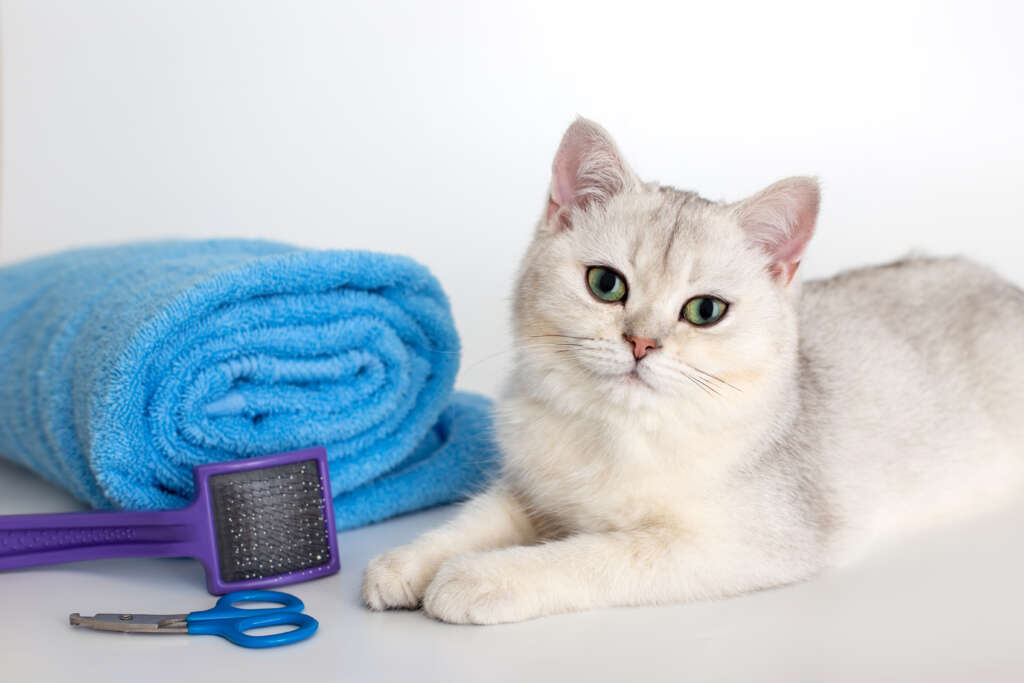
Studies show that grooming your cat often helps with hairballs and shedding. It also helps catch health issues like skin infections early. For cats with long hair, like Persians or Maine Coons, brushing every day is key. It stops painful mats and skin problems.
Short-haired cats need less grooming but still enjoy the quality time with you. A reward system during grooming makes it a fun activity for cats. Giving treats and praise shows your love and care, making grooming a positive experience.
Checking your cat’s ears and trimming their nails during grooming is important. It keeps them comfortable and prevents health problems. This includes issues like arthritis or dental disease that can lower their quality of life.
Every grooming session is a way to show you care for your cat. Using home cat grooming tips helps your cat’s health and builds a strong bond. It’s a way to show trust and respect, making grooming a special time for both of you.
The Best At-Home Grooming Products and How to Use Them Safely
Exploring DIY cat grooming might seem tough with so many tools out there. But, starting an at-home grooming routine doesn’t have to break the bank. It’s key to pick the right tools made for cats to keep things safe and effective.
Begin with a quality self-cleaning slicker brush, like the Aumuca Self-Cleaning Slicker Brush. It’s great for long-haired cats, helping to avoid hair tangling and matting. This brush is easy to use and gets rid of loose fur without hurting your cat.
Adding a variable-speed dryer to your grooming set can change the game. These dryers don’t scare your cat, making drying after a bath calm. They’re perfect for cats that get easily startled or aren’t used to grooming.
Keeping things clean is crucial in grooming. That’s why using sharp, clean blades is a must. Regularly cleaning your grooming tools keeps you and your pet safe. Also, choose shampoos made for cats to keep their fur clean without harsh chemicals.
When it comes to at-home grooming techniques, safety is key. Tools like ear protectors, Kevlar sleeves, and a special muzzle help protect you and your cat. They’re important for cats that might get upset during grooming.
Finally, tools like suction clippers and deshed systems make grooming easier. They’re great for cats that don’t like to sit still for long. These tools make grooming a better experience for both you and your cat.
In conclusion, the secret to great DIY cat grooming is picking the right tools and being gentle. With the right products and a caring approach, keeping your cat’s coat and skin clean can be easy and fun. It’s safe and won’t cost a lot.
How to Spot and Manage Common Feline Skin Conditions
Grooming your cat is more than just keeping them clean. It’s a key way to check on their health. Knowing how to groom your cat helps spot skin issues early. Cats usually don’t get skin problems like dogs do, but when they do, it can be serious.
At-home grooming helps with basic skin care. But, some issues like flea allergy or eosinophilic granuloma need more attention. To tackle these, you should control fleas, keep your cat stress-free, and feed them well. Sometimes, you might need to change their diet, use special meds, or supplements as advised by a vet.
Right grooming is key to keeping your cat healthy. Regular checks during grooming can prevent skin issues. If you see your cat grooming too much or find scaly spots, see a vet right away. Early treatment with things like antibiotics or antifungal meds can help a lot. Remember, every cat is different, so watch for any skin changes closely.
This way, you keep your cat not just clean but also healthy and happy.
