



Share This Article
Can a cat’s soothing purr do more than just comfort us on a lazy day? It’s a question worth thinking about. As we explore the magical healing powers of cats, we find they are more than just pets. They are powerful allies in a world filled with stress and the need for mental health.
Cats are not just pets; they are among the best emotional support pets. They offer a special kind of comfort to those facing life’s tough times.
While they may be famous for cuddles and internet fame, cats’ quiet companionship is truly special. They provide emotional support from pets that can deeply affect our health. Research and stories show how cats can help with depression, anxiety, PTSD, and chronic pain.
But do cats stand out among emotional support animals? Unlike service animals, cats don’t need special training. They naturally bring calm and understand human emotions. Their therapeutic effects are being used in homes and medical settings worldwide.
Understanding Emotional Support Animals and the Role of Cats
Emotional support animals (ESAs) help people with mental health issues like depression and anxiety. They don’t need special training. Their job is to comfort and support, unlike service or therapy animals. Cats as emotional support animals are especially good at helping people feel less lonely.

Studies show that cats are great for mental health. They help in animal-assisted therapy, especially for veterans with PTSD. This shows how powerful the bond between humans and animals can be.
Cats are good at creating a calm environment. They like to sit on laps or rub against their owners. This can make people feel less stressed and more at peace.
Cats also have practical benefits as emotional support animals. Laws like the Fair Housing Act help. They say that even places without pets can have ESAs. This means people can live with their cats without facing problems.
As more people learn about mental health, they appreciate cats as emotional support animals more. These animals are not just pets. They are important helpers, bringing comfort and peace to those who need it.
Exploring the Therapeutic Effects of Cats
Humans and animals have a special bond that brings health benefits. Cats are unique in improving well-being. They offer therapeutic benefits for both mental and physical health. This is especially true in cat-assisted therapy, which helps with emotional issues and prevents them.
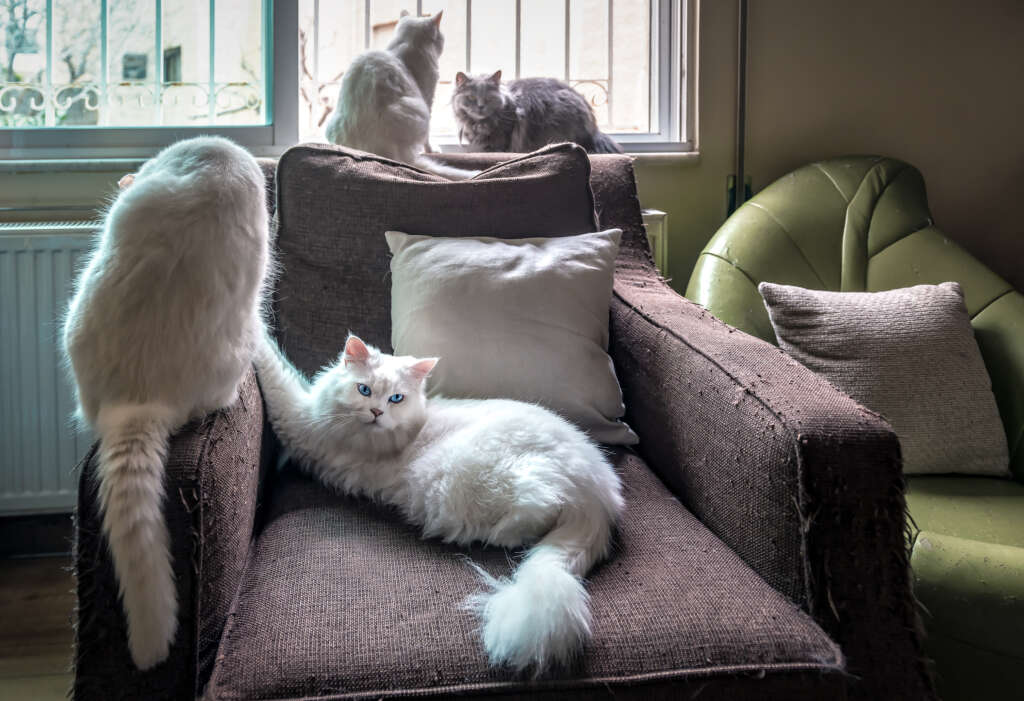
Studies show cat owners have a lower risk of heart disease. The University of Minnesota found a 30% lower risk of heart attack death. The cat’s purr may help by healing bones, lowering blood pressure, and reducing stress.
The emotional support from pets like cats releases oxytocin, the ‘love hormone.’ This hormone promotes love, trust, and relaxation. It also fights loneliness and depression, affecting many people.
Playing with cats boosts mood through serotonin and dopamine. These chemicals make us happy. Even watching cats can release these substances, improving emotional health. They also help prevent heart problems and boost the immune system.
Cats also encourage physical activity and mindfulness. Playing or caring for them distracts from stress and improves focus and physical health.
In summary, the emotional support from pets, especially cats, boosts mental and physical health. Using cat-assisted therapy adds companionship and protects against health issues. This highlights the deep therapeutic benefits of cats.
The Therapeutic Effects of Cats
Discovering why cats are therapeutic shows many benefits. These range from physical to mental health. Studies show cat owners have better mental health. Just petting a cat can lower heart rate and blood pressure.
This shows cats offer immediate comfort and long-term mental health benefits.
Between 10 to 30 percent of people prefer cats, showing many see their calming effect. Those who bonded with cats as teens have a better life quality. This bond helps lower feelings of loneliness and boosts social skills.
Cat-assisted therapy is gaining support. It uses cats’ natural healing to help in treatments. Cat owners have a lower risk of heart disease.
People who owned cats were less likely to die from heart attacks. This shows cats can save lives.
The soothing purr of a cat is healing. Their emotional support improves our daily well-being. The bond between humans and cats is a beautiful example of love and care between species.
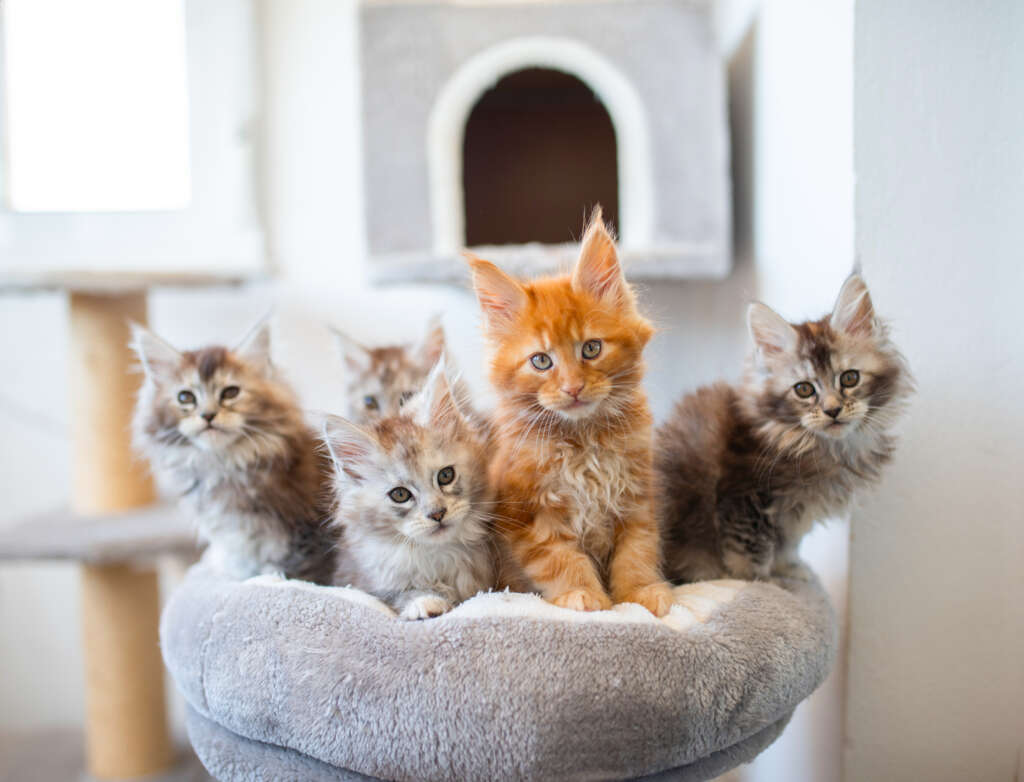
Debunking Myths: The Sociable Nature of Felines
Many think cats are alone and don’t care about humans. But, the truth is far from it. Cats as emotional support animals bring big mental health benefits. They show they are social. Playing with a cat can make you feel better by releasing serotonin.
The therapeutic benefits of cats go beyond emotional support. Studies show petting a cat can lower stress and anxiety. It’s calming for people with mental health problems. Many cats get upset when left alone, showing they need friends.
Signs of this include loud meowing, eating less, and using the litter box wrong. People often think these are just bad habits. But, they are signs cats want to be with others. Knowing this helps us care for cats as emotional support animals better.
Also, cats can be very close to their owners. This bond is comforting and good for mental health. It shows cats can give love back, making them great friends.
So, seeing cats as social and caring changes how we treat them. It makes our relationship with them better and more loving.
Caring for an Emotional Support Cat: Reciprocal Benefits
The bond between humans and emotional support cats is special. These cats give a lot of emotional support from pets. They also help their owners feel better mentally and physically. Taking care of an ESA cat brings many benefits to the owner’s life.
Studies show that pet owners, especially cat and dog owners, are less likely to get depressed or have heart problems. Pets help by releasing serotonin and dopamine, which calm the mind and improve mood. So, caring for an emotional support cat is good for both the cat and the owner’s health.
Also, having an ESA cat helps people follow a routine. This is very helpful for those with mental health issues. The daily tasks of caring for a cat, like feeding and grooming, give a sense of purpose and help manage mental health.
Moreover, ESA cats help their owners make friends. They make it easier to talk to people and feel less lonely. This is great for the elderly or those with disabilities, as it improves their mood and thinking skills.
Lastly, the care and love of pets create a strong bond. This bond brings emotional support and acceptance to both the cat and its owner. It makes life better for everyone involved.
In conclusion, taking care of an emotional support cat does more than just help the cat. It also brings many health benefits to the owner. It makes their life happier and more fulfilling.
Case Studies and Research Insights on Cat-Assisted Therapy
Recent studies have shown the big mental health benefits of cats in therapy. A 2018 study found that emotional support cats make patients happier in psychiatric wards. Cats’ calm and non-judgmental nature improves the environment, helping patients feel better and more satisfied.
Cat-assisted therapy is also promising in medical fields. A 2005 study found that it helps patients with schizophrenia feel less sad. This shows that cats can offer comfort and support that traditional treatments might not.
Adding cats to therapy programs can also make them more diverse. While most programs use dogs, there’s growing interest in cats. A survey showed many students and staff want cats in therapy, especially those who are more emotional.
Cats are also great for elder care. Studies in 2013 and 2016 showed that cats in nursing homes reduced agitation and depression. This suggests that emotional support cats should be used more in therapy for different groups.
Cats’ unique traits, like being independent and affectionate, make them perfect for therapy. As more research supports it, cat-assisted therapy could change how we treat mental health issues. It could bring big mental health benefits to many people.
How to Designate Your Cat as an Emotional Support Animal
As mental health awareness grows, so does the role of emotional support cats. These cats help people with mental or emotional issues. To make your cat an emotional support animal, you need to follow legal steps. The first step is getting an ESA letter from a licensed mental health professional.
This letter confirms you have a mental health condition. It’s key for those looking to legally recognize their emotional support cat. The letter proves your cat’s companionship is essential for your well-being. It allows for special housing and travel rules.
The letter must include the mental health professional’s details and your condition. It also needs to show why your cat is important for your daily life. Remember, each ESA cat needs its own letter, following local laws.
Unlike service animals, your cat doesn’t need special training. This makes them appealing as emotional support pets. They can help reduce stress and improve sleep. The Fair Housing Act protects you from housing discrimination with your ESA cat.
CertaPet is a platform that connects you with licensed professionals. They make getting an ESA letter fast. This ensures you and your cat can find the right place to live quickly.
